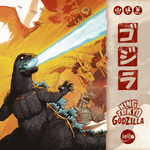

by Roger IELLO
/pic9390673.png)
My name is Florent Baudry, and I have been the project manager for the King of Tokyo range for the past seven years. I first joined the line while finalizing the collector’s Dark Edition, and following its success, we quickly started thinking about a new theme for another special edition.
From the beginning, the idea was to create something deeply inspired by Japan, both aesthetically and in its overall presentation. We talked about drawing inspiration from traditional Japanese prints and classic Japanese art styles. Then, when the opportunity arose to work with the official Godzilla license, the two ideas naturally merged. It became the perfect way to pay tribute both to Japan — which inspired King of Tokyo and all of its monsters — and to the most iconic kaiju of them all.
As we explored different artistic directions, we quickly decided not to focus on the modern cinematic versions of Godzilla. Instead, we wanted to capture the spirit of the Godzilla films from the 1950s to the 1970s: the era of actors in monster suits destroying miniature city sets. That slightly old-fashioned charm helped preserve the vintage aesthetic we were looking for, while also creating a stylized vision of Japan that felt both poetic and authentic. It also allowed the wooden components to integrate much more naturally into the overall design of the game.
We therefore based our work primarily on the designs from the Showa era, especially the monsters and movies from the 1960s and 1970s.
/pic9499909.jpg)
The monster selection came quite naturally for five of them: Godzilla, Mechagodzilla, Rodan, King Ghidorah, and Mothra are among the most beloved and recognizable kaiju in the franchise. Choosing the sixth monster was a little more difficult. We had several favorites, including Gigan, but many candidates shared a similar reptilian silhouette. In the end, I chose Hedorah because it allowed us to explore a very different visual identity and create powers that felt unique within the game.
Meeting Markus Erdt, the illustrator, also happened very naturally. In projects like these, timing often plays a huge role. Markus suggested meeting during the SPIEL Essen fair, and before the meeting I looked through his online portfolio. That is when I discovered his chibi illustrations of Godzilla and other kaiju. It immediately showed that he knew and genuinely loved the license. On top of that, the watercolor style of his illustrations felt like a perfect match for the artistic direction I had in mind.
Of course, it still took several rounds of testing before we found the right balance for both the card illustrations and the monster standees. But honestly, this is one of the most fascinating parts of game development: the research phase, the collaborative work, the constant exchange of ideas. In the end, Markus’ illustrations captured exactly the feeling we were looking for — a mix of poetry, nostalgia, and old-fashioned charm.
/pic9499912.jpg)
All of this was then beautifully brought together by the game’s graphic designer, Claire Wach, who contributed enormously to the final visual identity of the project. The choice of typography, the integration of Japanese card titles — actually one of the very first ideas I had for the game — and all the subtle graphic details she added gave the edition a truly unique personality.
For the rest of the components, using wood quickly became an obvious choice, mainly because of the sound. I really wanted the game to feel softer and more natural during play. That is actually where the small wooden base placed on Tokyo came from. In a way, it exists almost entirely for that little “toc” sound you hear when placing your monster figure onto it.
To be completely honest, when we were finalizing the game and sending the files to the factory, I still had doubts about how players would react to it. I wondered whether these artistic choices might feel too unusual or perhaps even too old-fashioned for modern audiences. I think the IELLO sales and communication teams felt the same way: we all loved the project, but we were asking ourselves whether the public would connect with it.
/pic9499913.jpg)
So when the first reactions arrived after the reveal of the initial visuals, I was both relieved and incredibly happy.
I was also especially pleased to see longtime King of Tokyo fans notice and appreciate the small additions created specifically for them, such as the Evolution cards and the little tokens included for the Wickedness Gauge. It is never officially stated in the rules that they are meant for that… but the true fans know. 😉
I sincerely hope that Godzilla fans will enjoy this edition just as much as we enjoyed creating it and let’s finish with some words from Richard Garfield to conclude:
“King of Tokyo wouldn’t exist in its current form without Godzilla – the original kaiju, both monstrous and magnificent. Godzilla and his pals inspired us, with their spectacular power and over-the-top battles; their perfect balance of seriousness and fun. It is fitting that he joins the game he helped inspire and so the circle closes – the King of Monsters joins the King of Tokyo.”
Florent Baudry
(editor’s note – diary transcribed from an interview with Florent and uploaded by an employee of IELLO)
Tell us how can we improve this post?